
What the stock market actually is
Strip away the jargon and the stock market is a marketplace for owning small pieces of companies. Here's how it works and why prices move.
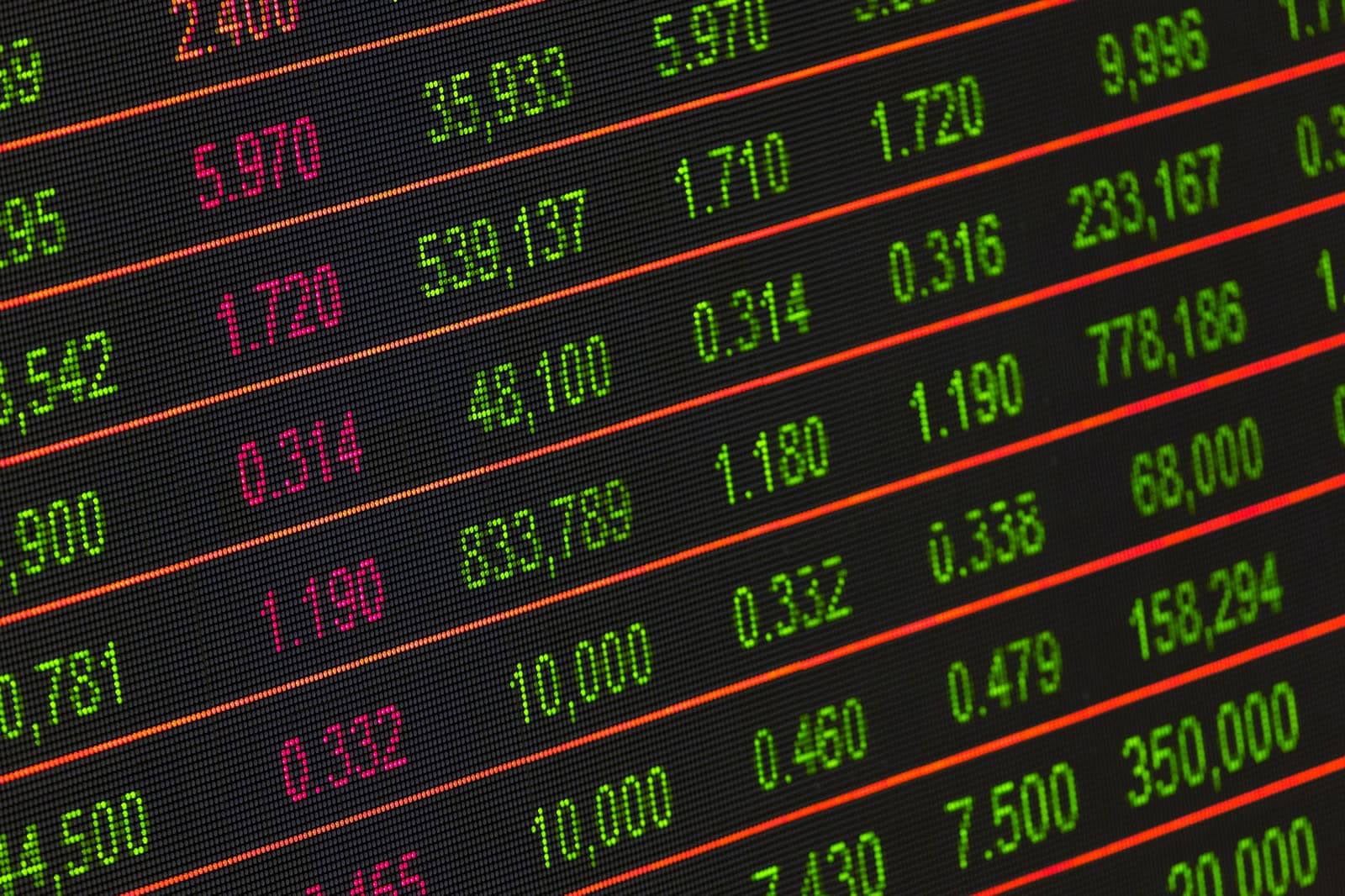
A share of stock is a tiny slice of ownership in a company. When a business wants money to grow, it can sell shares to the public. After that, people buy and sell those shares with each other on exchanges like the New York Stock Exchange and Nasdaq. That buying and selling is what people mean by "the stock market".
Why prices go up and down
A share's price is simply the last price a buyer and a seller agreed on. When more people want to buy than sell, the price rises; when more want to sell, it falls. Over the long run, prices tend to follow how much money a company makes. Over days and weeks, they also swing with news, interest rates and plain mood.
How investors make money
- Price growth: selling a share for more than you paid.
- Dividends: some companies pay part of their profits to shareholders, often every quarter.
- Neither is guaranteed. A company can shrink or fail, and its shares can lose most of their value.
Why most beginners start with funds
Picking single winners is hard, even for professionals. A fund holds many companies at once, so one bad result barely dents the whole. A broad index fund owns hundreds or thousands of companies for a small yearly fee, which is why it's a common first investment.
The market will have bad years. Money you need soon belongs in savings; money you won't touch for many years can ride out the dips.